Wedding flowers for Trent Park venues Cockfosters
Posted on 09/10/2026
Planning Wedding flowers for Trent Park venues Cockfosters is a lovely kind of puzzle. You want flowers that feel elegant, personal, and right for the setting, but they also have to work with the venue layout, timing, season, and your budget. Trent Park has that grand, green, slightly timeless feel that can make even a simple bouquet look special. The trick is choosing flowers that suit the space rather than fighting it.
This guide walks you through how wedding florals work for Trent Park-style venues in Cockfosters, what matters most, how to avoid expensive mistakes, and how to make decisions that feel calm instead of rushed. Whether you are planning a full floral scheme or just a few meaningful pieces, you will find practical advice here.
And yes, flower planning can get a bit intense. One minute you are choosing roses, the next you are debating table height at 9:30 p.m. over tea. Happens to the best of us.
- Why Wedding flowers for Trent Park venues Cockfosters matters
- How it works
- Key benefits and practical advantages
- Who this is for and when it makes sense
- Step-by-step guidance
- Expert tips for better results
- Common mistakes to avoid
- Tools, resources and recommendations
- Law, compliance, standards, or best practice
- Options, methods, or comparison table
- Case study or real-world example
- Practical checklist
- Conclusion
- Frequently asked questions
Why Wedding flowers for Trent Park venues Cockfosters Matters
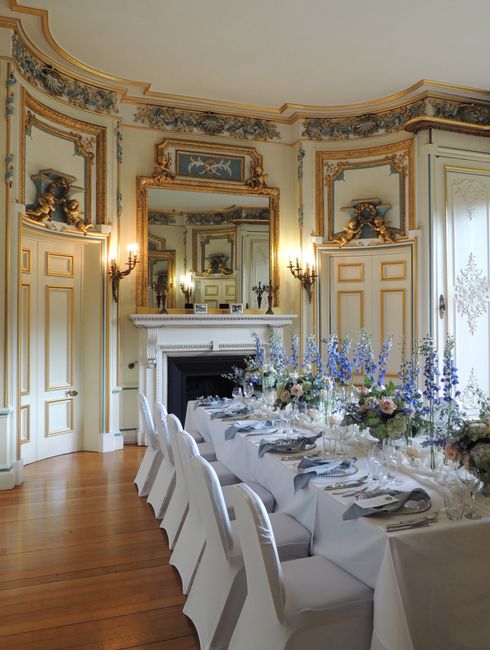
Wedding flowers do more than decorate a room. At Trent Park venues in Cockfosters, they help set the mood from the moment guests arrive. A good floral design can soften a formal room, bring warmth to a marquee, add structure to a ceremony space, or tie together mismatched outfits, linens, and lighting. A poor one can make the day feel a little disconnected. Nobody wants that, frankly.
Trent Park itself has a very particular character: open lawns, mature trees, period charm, and the sense that the surroundings already have a story to tell. That means flowers should usually complement the venue rather than dominate it. Think refined rather than overstuffed, thoughtful rather than loud. Of course, if you love bold colour, that can work too. The key is balance.
In practical terms, floral choices affect:
- how the ceremony photographs
- how the reception tables feel to sit at
- how much movement staff and guests have around displays
- whether the bouquets survive the day in good shape
- how much value you get from your floral budget
There is also an emotional side. Flowers carry meaning. A white bridal bouquet can feel calm and classic. Garden-style blooms can feel soft and romantic. A rose and orchid arrangement can read as polished and luxurious. The right choice often says what words cannot quite manage.
How Wedding flowers for Trent Park venues Cockfosters Works
The process usually starts with the venue, then the timing, then the design. That order matters more than people expect. Trent Park spaces may vary in ceiling height, natural light, access points, and table layout, so a florist needs those details before recommending anything final.
In a typical wedding floral plan, you will work through five practical stages:
- Venue review - understand where ceremony flowers, aisle pieces, centrepieces, and entrance arrangements can actually go.
- Style direction - define the feel: classic, romantic, natural, modern, lush, minimal, or seasonal.
- Flower selection - choose blooms that suit the season, colour palette, and handling needs.
- Build and logistics - confirm delivery timing, setup order, and any collection or transfer arrangements.
- Event-day placement - make sure each arrangement goes in the right spot and still looks fresh when guests arrive.
At a venue like Trent Park, logistics are not a small detail. If ceremony flowers need moving to the reception, the design has to be practical enough to survive that shift. If you want tall centrepieces, they must work with sightlines. If your bridal bouquet is meant to be held for long periods, weight matters. Tiny thing, big difference.
It also helps to think in layers. A wedding floral scheme can include bridal bouquets, bridesmaid bouquets, buttonholes, corsages, table arrangements, pedestal flowers, top table designs, and sometimes petal details or aisle accents. Not every wedding needs all of them. But each piece should have a clear job.
Key Benefits and Practical Advantages
Good wedding flowers are not just pretty. They make the day easier to experience and easier to photograph. That is the honest version. If the flowers are well planned, you gain more than decoration.
- Visual cohesion: flowers can link the bridal look, the venue, and the table design into one clear story.
- Better atmosphere: soft florals can make grand spaces feel warmer, while modern arrangements can sharpen a classic room.
- Stronger photos: bouquets and table arrangements often appear in almost every important image.
- Flexible styling: the same flower family can be used in different scales across the venue.
- Practical flow: well planned arrangements avoid clutter and allow people to move comfortably.
There is also a budget advantage that people sometimes miss. A tightly designed floral plan usually makes better use of the money than a scattered one. For example, a strong bridal bouquet, a few carefully placed ceremony pieces, and well-proportioned table flowers can feel far more polished than lots of random extras. More is not always more. Shocking, I know.
If you are comparing styles, it can help to think in terms of impact per arrangement rather than number of stems. A carefully made centrepiece can carry a room. The wrong centrepiece can just sit there looking expensive and slightly confused.
Who This Is For and When It Makes Sense
This topic matters for couples getting married at Trent Park venues in Cockfosters, but it also matters for planners, families, and anyone helping with the day. In our experience, floral planning becomes much smoother when everyone understands what the flowers are meant to do.
This is especially relevant if you are:
- planning a wedding at a venue with a formal or historic feel
- trying to decide between simple and full-service floral styling
- working with a limited schedule and need reliable delivery
- balancing a wish list with a real-world budget
- looking for flowers that suit photography and indoor-outdoor transitions
- organising a multicultural, religious, or blended celebration with specific floral traditions
It also makes sense if you are trying to keep things local. A florist who understands Cockfosters and the wider North London rhythm can usually anticipate access, traffic timing, and the kind of short-notice adjustments that happen on wedding mornings. The day may be planned to the minute, and then someone forgets a buttonhole. It happens. Often.
If your wedding is small, flowers still matter. You may just need fewer arrangements, not less thought. A handful of beautiful pieces can feel more meaningful than a room full of decoration that does not reflect you.
Step-by-Step Guidance
Here is a practical way to plan your florals without getting lost in Pinterest fog. Lovely inspiration is useful, but you do need a structure.
- Start with the venue spaces
Walk through the ceremony area, entrance, aisle, reception room, and photo spots. Ask where flowers will be seen first and where they will be most photographed. - Choose the feeling before the flowers
Do you want romantic, modern, garden-inspired, classic, or understated? That decision should come before stem selection. - Set the priority items
Most couples begin with the bridal bouquet, bridesmaid bouquets, buttonholes, and one or two focal displays. Then add table or ceremony flowers if the budget allows. - Match the scale to the room
Big spaces need either larger pieces or a more considered cluster of smaller arrangements. Small rooms can be overwhelmed quickly. - Pick flowers that hold up well
Some blooms are more forgiving in transport and warm rooms. Others are delicate and need more care. A sensible florist will explain this honestly. - Confirm colours in real light
A shade that looks soft blush on a screen may feel much cooler in daylight or warmer under indoor lighting. - Lock down delivery and setup timings
Wedding mornings are busy enough. Keep the floral schedule clear and simple.
A useful habit is to separate must-have from nice-to-have. If you do that early, decisions get cleaner. You may decide that the bridal bouquet and ceremony flowers matter most, while some extras can be simplified. That is not settling. That is good planning.
Expert Tips for Better Results
There are a few details that make a real difference, and these are often the bits people only learn after their first wedding consult.
1. Design for the venue light
Trent Park venues can have very different light depending on the room, time of day, and season. Pale blooms can look almost luminous in good daylight, while deeper tones can add structure in evening settings. If your ceremony starts in late afternoon, the flowers may need to look strong in both daylight and softer indoor light.
2. Keep one dominant flower story
It is tempting to include everything you love. Roses, orchids, lisianthus, hydrangeas, maybe a few wild touches... and then things start to feel crowded. A dominant flower family, supported by one or two accents, usually looks more elegant.
3. Use texture with restraint
Texture is what makes arrangements feel rich rather than flat. Petals, berries, greenery, and different bloom shapes all help. But too much texture can tip into busy. A little breathing room matters.
4. Ask about mechanics, not just colour
It sounds unglamorous, but mechanics are what keep flowers standing upright and looking lovely for hours. If you are using tall centrepieces or pedestal pieces, ask how they will be secured and moved. It is a fair question.
5. Think beyond the bouquet handfeel
Bridal bouquets should look beautiful, yes, but they should also be comfortable to carry. Some designs are gorgeous in photos and surprisingly awkward in real life. Your hand will tell you the truth in about ten seconds.
One more thing: if you want a wedding scheme that feels timeless rather than trendy, keep the design simple enough that it still makes sense ten years later. You do not need to chase every floral trend. Nobody needs that pressure.
Common Mistakes to Avoid
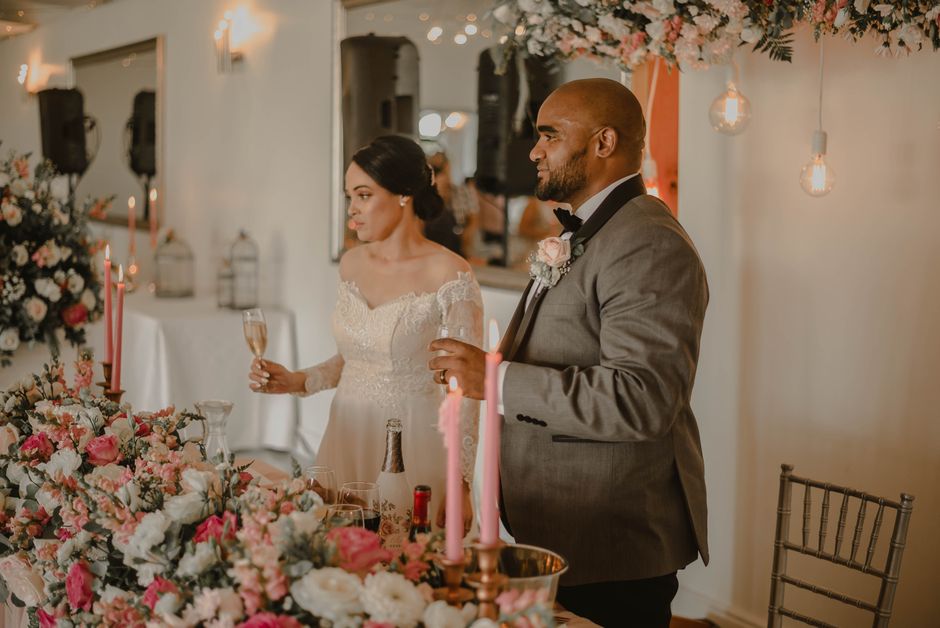
Wedding flower mistakes are usually not dramatic. They are practical misjudgements. Small, fixable things that become annoying on the day.
- Choosing flowers before confirming venue layout - tall arrangements that block sightlines are a common regret.
- Ignoring the season - seasonal flowers usually give you better value and a more natural look.
- Over-ordering small items - too many minor add-ons can eat into the budget without improving the overall result.
- Forgetting transport and setup time - flowers need calm handling, not a rushed dash across London.
- Picking colours from a screen only - always view samples where possible.
- Not planning where ceremony flowers go after the ceremony - reusable designs can save money if they are planned properly.
Another classic issue is trying to make every arrangement different. A wedding usually looks more elegant when the designs belong to the same family. Variation is good. Randomness, not so much.
And this one is very human: people sometimes order too much because they are worried the venue will look bare. If the main floral pieces are well chosen, you do not need to fill every corner. Empty space can actually help the flowers breathe.
Tools, Resources and Recommendations
You do not need a giant planning system to get this right. A few simple tools help the process feel a lot more manageable.
- Venue floor plan - even a rough sketch helps you place tables, ceremony areas, and display points.
- Colour reference photos - collect a handful of images showing the exact tone you want, not just general inspiration.
- Guest list draft - useful when deciding how many buttonholes, corsages, and table flowers you need.
- Budget split - a simple breakdown between bride, ceremony, reception, and extra floral details keeps spending sensible.
- Delivery timeline - note the morning schedule in plain language so everyone knows when flowers arrive and where they go.
For product inspiration, it can help to browse a florist's wedding-specific range rather than mixing in unrelated categories. If you are looking at the wedding collection, pieces such as a coordinated wedding collection can make the design feel more consistent across bouquets, buttonholes, and centrepieces. If you want to see the broader wedding range, the dedicated weddings category is a sensible place to start.
For bridal work, styles such as a bridal bouquet with a soft romantic feel or a more structured bridal bouquet can suit different dress shapes and venue styles. For the wedding party, there are matching options like bridesmaid bouquets, buttonholes, and table arrangements.
For confidence after the order is placed, it is also worth checking delivery and service details on pages such as delivery information, guarantees, and returns and refund guidance. A wedding may be joyful, but the practical side still needs clear answers.
Law, Compliance, Standards, or Best Practice
Wedding flower planning is not heavily regulated in the way some industries are, but there are still sensible standards and best practices worth following. In the UK, customers generally expect clear pricing, honest product descriptions, transparent delivery information, and fair handling of substitutions when specific stems are unavailable. That is basic professionalism, really.
A good florist should be clear about:
- what is included in the quote
- what may change due to seasonal availability
- how delivery timing works
- whether installation and collection are part of the service
- how order changes are handled before the wedding
It is also wise to look for accessible communication, especially if family members or planners need updates. On the website side, policies such as privacy information, terms and conditions, and accessibility guidance are useful trust signals. You may not think about them on a happy wedding morning, but they matter during planning.
Best practice for wedding flowers also means respecting venue rules. Some spaces ask for no open flames, limited floor standing pieces, or specific access times. If you are using petals, candles nearby, or large installations, check in advance. Better to ask a slightly boring question now than solve a slightly dramatic problem later.
Options, Methods, or Comparison Table
Different floral approaches suit different weddings. Here is a simple comparison that can help you narrow things down without overcomplicating it.
| Approach | Best for | Strengths | Watch-outs |
|---|---|---|---|
| Minimal elegant styling | Smaller weddings, modern rooms, tighter budgets | Clean, calm, less waste, easier logistics | Can feel sparse if scale is too low for the venue |
| Classic romance | Traditional weddings, soft colour palettes | Timeless, flattering in photos, broadly appealing | Needs thoughtful flower choice to avoid looking generic |
| Garden-inspired | Outdoor-feel ceremonies, relaxed celebrations | Natural movement, texture, very warm atmosphere | Can become messy if not edited carefully |
| Luxurious statement florals | Grand receptions, focal displays, formal settings | High impact, excellent for photos, memorable | More costly, may require stronger logistics |
If you are unsure, a middle ground usually works best at Trent Park venues: enough structure to feel polished, enough softness to feel romantic. That is the sweet spot for many couples, to be fair.
Case Study or Real-World Example
Here is a realistic example based on the kind of wedding floral brief that comes up often in Cockfosters. A couple wanted a warm, elegant look for a Trent Park venue, with a ceremony feel that could later transition into the reception without needing a full reset of the room. They liked pale tones, but they also wanted the flowers to feel present in a large space.
The solution was to keep the bride's bouquet soft and classic, then repeat that palette in bridesmaid bouquets and buttonholes. Ceremony flowers were designed to work again as reception focal points. Instead of trying to cover every table with large pieces, the plan used fewer but stronger arrangements, plus a few smaller accents for balance.
The practical benefit was simple: the space felt coordinated without feeling crowded. Guests noticed the flowers, but they were not fighting for attention with the room itself. The couple also had less setup stress because the designs had a clear purpose from the start.
That sort of outcome is often the best one. Not over-designed. Not underdone. Just calm, beautiful, and easy to live with on the day. And, yes, easy to photograph too.
Practical Checklist
Use this checklist once you are ready to move from inspiration to booking. It keeps the decision-making grounded.
- Confirm the exact Trent Park venue space and ceremony layout
- Decide your overall style: classic, romantic, modern, natural, or luxury
- Choose your main colour palette
- Prioritise the must-have items: bouquet, buttonholes, ceremony, tables
- Check whether flowers need to be moved from ceremony to reception
- Ask about seasonal substitutions
- Confirm delivery, setup, and collection times
- Review any venue rules or access restrictions
- Make sure the floral scale matches the room size
- Keep one eye on budget and one eye on practicality
- Save a final written summary of what is included
If you have those points covered, you are already ahead of many stressed-out wedding planners. Truth be told, half of good floral planning is just clarity.
Get a free quote today and see how much you can save.
Conclusion
Wedding flowers for Trent Park venues Cockfosters work best when they are designed for the space, not just for a mood board. The venue's character, the season, the room layout, and your priorities all matter. Once those pieces are clear, choosing flowers becomes easier and far more enjoyable.
Focus on the elements that will be seen most, used most, and photographed most. Keep the design coherent. Leave room for practicality. And do not be afraid to simplify if that gives you a more elegant result. Often, the most memorable florals are the ones that feel calm, confident, and completely at home in the venue.
In the end, the right flowers make the whole day feel a little more like you. That is the bit people remember.
Frequently Asked Questions
What flowers work best for a wedding at Trent Park venues in Cockfosters?
Roses, lisianthus, orchids, hydrangeas, lilies, and mixed seasonal blooms all work well, but the best choice depends on the room, season, and style you want. For a refined Trent Park setting, many couples choose classic or garden-inspired flowers with a clean colour palette.
How far in advance should I book wedding flowers for Trent Park venues Cockfosters?
It is wise to book as early as you can, especially if your wedding is in a busy season. Early planning gives you a better chance of securing your preferred style, time slot, and floral availability. Last-minute plans can still work, but choices may be narrower.
Can ceremony flowers be reused at the reception?
Yes, often they can. This is one of the smartest ways to get more value from your flowers. Pedestal pieces, aisle flowers, and some altar arrangements can sometimes be moved to the reception if the timing and design allow it.
What is the difference between a bridal bouquet and a bridesmaid bouquet?
A bridal bouquet is usually larger, more detailed, and designed to be the main floral focal point. Bridesmaid bouquets are generally smaller and may echo the same flowers or colours without competing with the bride's bouquet.
Do I need buttonholes and corsages for a wedding?
Not always, but they are a lovely finishing touch if you want a coordinated look. Buttonholes are common for the groom and key guests, while corsages are often used for mothers or other special guests. They are small details, but they can help the whole event feel considered.
How do I choose flowers that suit the venue size?
Look at the room scale first. Large spaces usually need either fuller arrangements or a few well-placed focal pieces. Smaller rooms can feel crowded quickly, so lighter designs often work better. A florist should help you judge this properly.
Are seasonal flowers better for wedding arrangements?
Usually, yes. Seasonal flowers often look fresher, are easier to source, and may give you better value. They also tend to feel more natural in the time of year you are marrying, which helps the whole design feel coherent.
What should I ask a florist before booking wedding flowers?
Ask what is included, what substitutions may happen, how delivery works, whether setup is provided, and how arrangements are handled if they need moving during the day. Those practical questions save a lot of stress later.
Can I keep my wedding flowers simple and still have them look elegant?
Absolutely. Simple does not mean plain. A restrained palette, good proportions, and well-chosen blooms can look incredibly elegant. In fact, many Trent Park weddings look better with a more edited floral scheme than with too much decoration.
What if I want matching flowers across the whole wedding party?
That is a great idea if you want a polished, unified look. You can match the bridal bouquet, bridesmaid bouquets, buttonholes, and table flowers through colour, flower type, or texture. Just be careful not to make every piece identical, or it can feel a little rigid.
How can I stay within budget without losing impact?
Prioritise the most visible pieces first, then simplify the rest. Reuse ceremony flowers where possible, choose seasonal blooms, and focus on a strong colour story rather than too many separate items. It is often better to have a few excellent arrangements than lots of average ones.
Do wedding flowers need to match the dress or suit colours exactly?
No, and usually they should not. Flowers work best when they complement the overall palette rather than matching everything exactly. A little contrast often looks more sophisticated and more natural in photos.
What is the next sensible step if I am planning flowers for a Trent Park wedding?
Gather your venue details, decide your style direction, and shortlist the floral items you cannot do without. Once you have that, you can ask for a quote with much more confidence. A clear brief makes the whole process smoother, which is a relief on a busy wedding schedule.